Is Sandalwood The Right Houston Neighborhood For You?
Wondering if Sandalwood fits the lifestyle you want in Houston? That is a smart question to ask before you fall for the trees, lakes, or large homesites. If you are comparing neighborhoods for a move, relocation, or long-term purchase, this guide will help you weigh Sandalwood’s setting, housing, convenience, and daily rhythm so you can decide if it feels right for you. Let’s dive in.
Before anything else, it is worth noting that public references consistently place Sandalwood in Houston’s Memorial area, generally in ZIP code 77024 rather than 77007. City and neighborhood references tie Sandalwood to the broader Memorial district on Houston’s west side. If you are searching by ZIP code, that detail is important to verify early in your home search.
Memorial is described by the City of Houston as a mid-20th-century residential area shaped by Memorial Drive, Interstate 10, West Loop 610, and nearby incorporated villages. Over time, the area drew buyers looking for a wooded setting and access to west-side employment and retail hubs. That larger context helps explain Sandalwood’s appeal today.
Sandalwood is best known as a deed-restricted enclave with large lots, mature trees, and three spring-fed lakes. Public neighborhood guides also describe a self-contained street layout with no cut-through traffic, which contributes to a quieter feel. If privacy and a tucked-away setting matter to you, that may be one of Sandalwood’s strongest selling points.
The neighborhood also has a civic club that supports common-area upkeep, private security patrols, and deed restriction enforcement. For you as a buyer, that means Sandalwood offers more than a home style or location. It also comes with community standards, rules, and shared expectations about property maintenance.
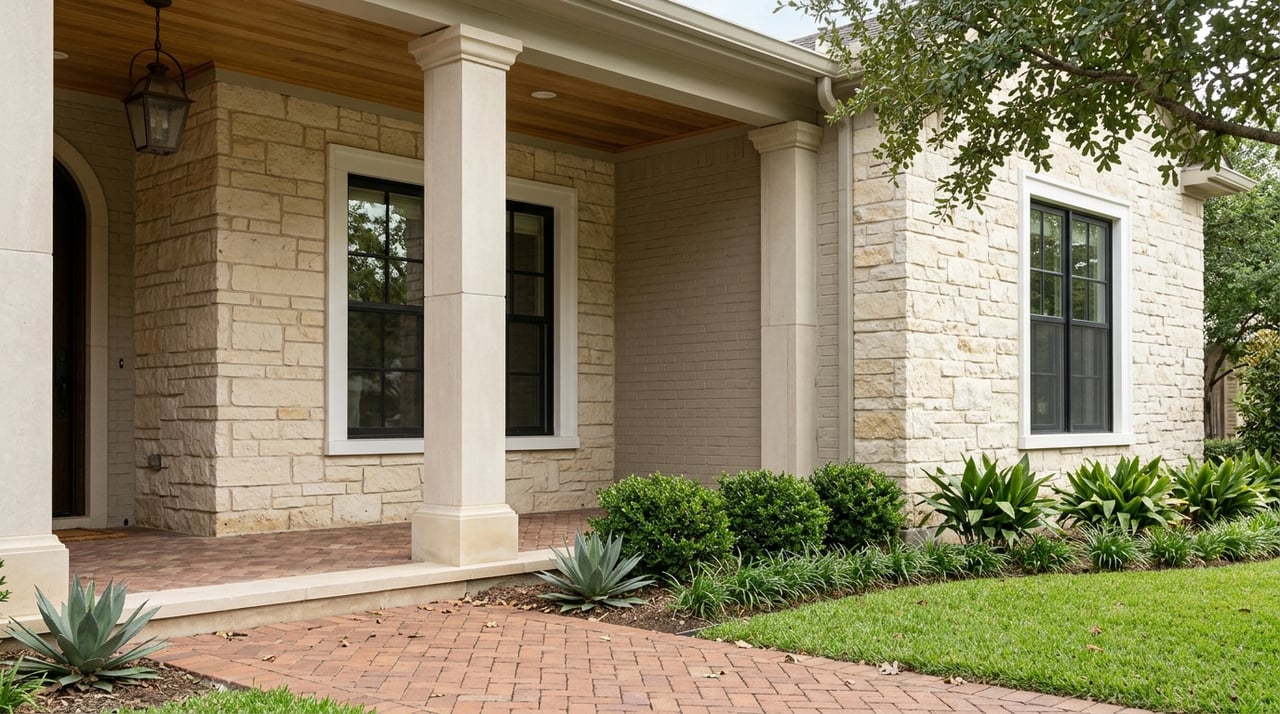
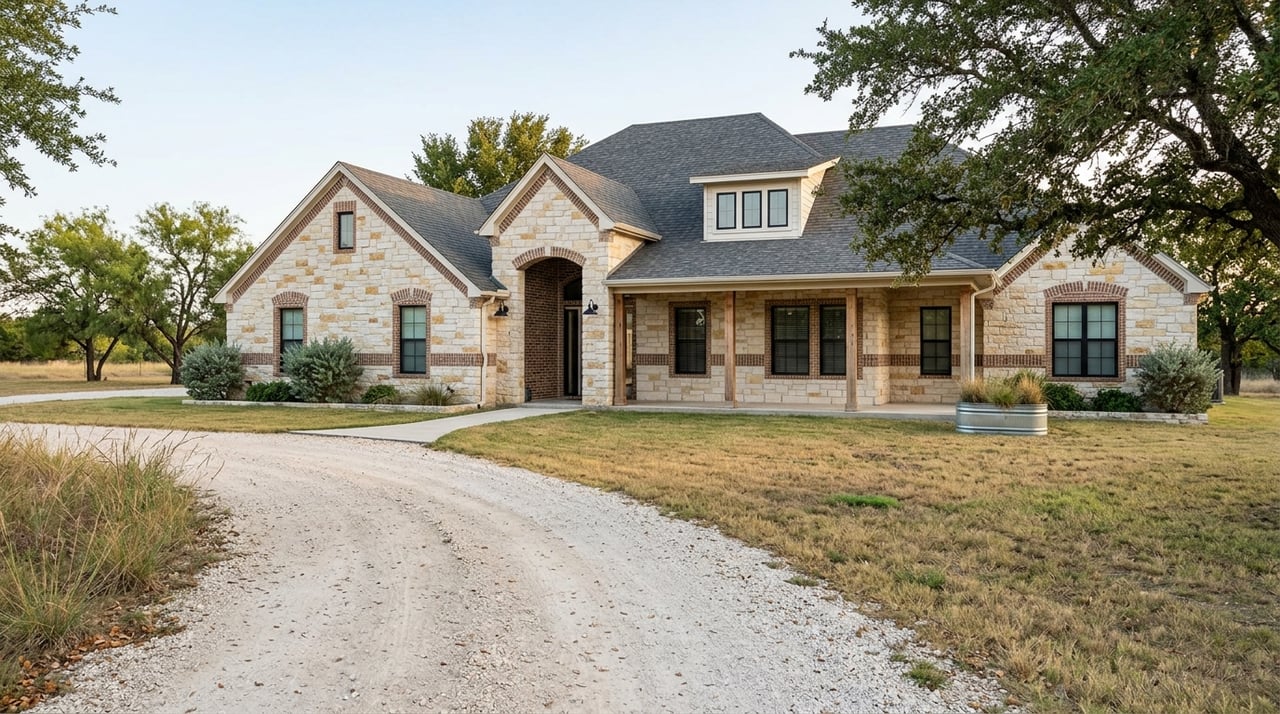
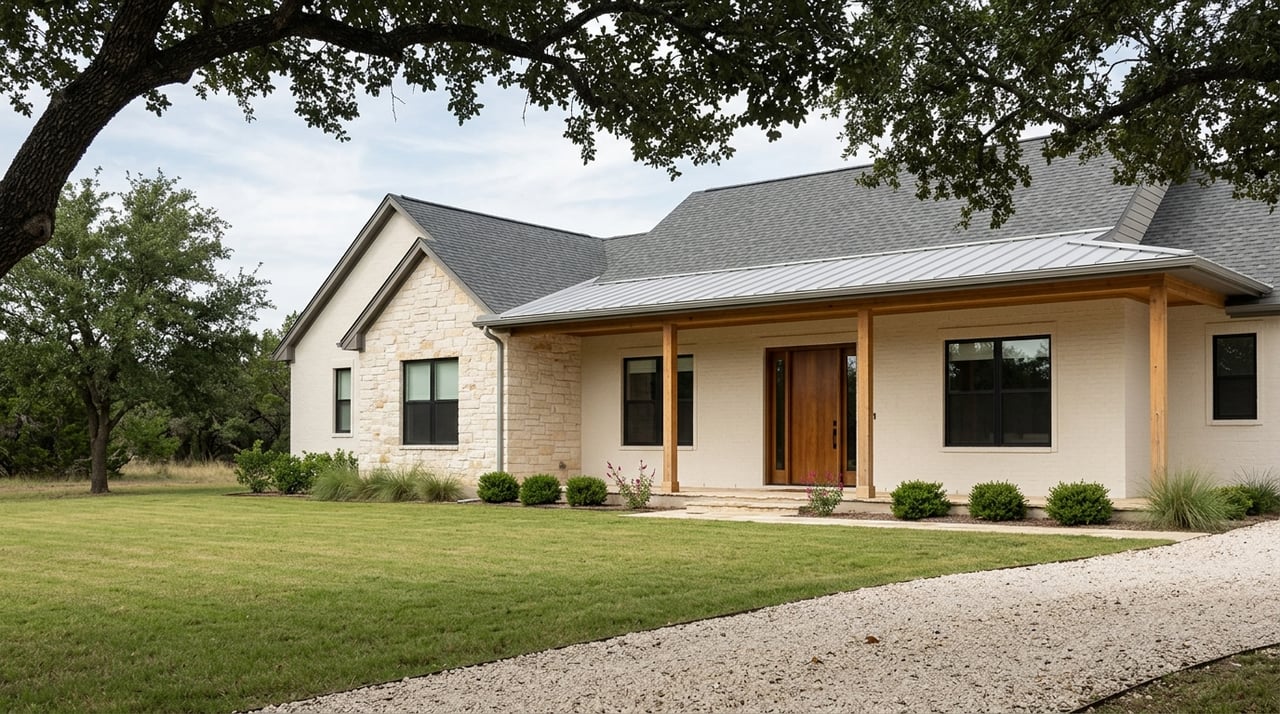
Sandalwood’s original homes were largely one-story ranch homes built in the 1950s. Over the years, many properties have been updated, expanded, or replaced with larger custom homes in both traditional and contemporary styles. That creates a streetscape with more variety than you might see in a newer master-planned neighborhood.
If you love established neighborhoods, this can be a major plus. You may find original charm, remodeled homes, or newer custom construction, often on generous lots with mature landscaping. If you prefer a very uniform streetscape or all-new construction, Sandalwood may feel less predictable.
Lot size can make a real difference in how a neighborhood lives day to day. In Sandalwood, larger homesites help create breathing room between homes and support the area’s private, established character. That extra space may appeal to buyers who want room for outdoor living, a pool, or simply more separation from neighbors.
Because Sandalwood is described as having no cut-through streets, traffic patterns tend to be more local than pass-through. That often creates a calmer environment compared with neighborhoods built around busier through roads. If you want a setting that feels tucked in rather than heavily traveled, this layout may work in your favor.
One of Sandalwood’s most distinctive features is its connection to outdoor living. Neighborhood guides describe three private lakes, lighted walking paths, a private playground, and resident recreation such as swimming, fishing, and non-motorized boating. That combination is not something you find in every Houston neighborhood.
Beyond the neighborhood itself, Memorial Park is another major draw nearby. The City of Houston describes Memorial Park as home to tennis courts, playing fields, a fitness center, a swimming pool, a golf course, and six miles of bike trails. The adjacent Houston Arboretum and Nature Center adds a 155-acre urban nature sanctuary with five miles of trails.
If your ideal weekend includes walking, biking, or spending time outdoors, Sandalwood offers good proximity to those activities. If your lifestyle is more about dense retail streets and everyday walkability to shops and restaurants, you may want to compare it with more urban options.
Sandalwood benefits from access to several well-known west Houston destinations. Nearby hubs include Memorial City Mall, CITYCENTRE, and Town & Country Village. These areas provide a practical mix of retail, dining, grocery, healthcare, prescriptions, banking, and other everyday services.
Memorial Hermann Memorial City Medical Center is also nearby, which can be a meaningful convenience depending on your household’s needs. For many buyers, the value here is not just access to one destination. It is having several established service and shopping nodes within the broader area.
Sandalwood appears to work best for buyers whose routines are mostly car-based. Public references highlight access through Memorial Drive and Interstate 10, which supports travel toward West Houston, Downtown, Uptown, the Energy Corridor, and other major job centers. That road access is part of the neighborhood’s practical appeal.
Sandalwood is not transit-free. METRO’s 70 Memorial route includes a stop at Memorial Drive and Sandalwood Drive, and the 162 Memorial Express also serves that stop with connections that include Downtown Transit Center, Northwest Transit Center, Memorial City Mall, Town and Country Village, and Memorial Hermann Memorial City Medical Center.
That said, the neighborhood’s transportation profile is still more suburban and corridor-based than rail-oriented. If you want a dense, walk-to-transit, walk-to-dining urban pattern, Sandalwood may feel less aligned with your priorities.
Sandalwood may be a strong fit for you if you want:
For relocating buyers especially, Sandalwood can make sense if you want an established Houston neighborhood with a more tucked-away feel than many high-traffic areas. It may also appeal if your daily routine ties into west-side work centers and services.
No neighborhood fits everyone, and that is a good thing. Sandalwood may be less ideal for you if you want:
The tradeoff here is fairly clear. Sandalwood offers privacy, lot size, trees, and unique natural amenities inside Houston, but it leans more auto-oriented than some of the city’s more urban neighborhoods.
Before you move forward on a home in Sandalwood, make sure you confirm the details that can directly affect your experience.
Public neighborhood guides commonly describe Sandalwood as being zoned to Spring Branch ISD, often referencing Frostwood Elementary, Memorial Middle, and Memorial High. Because attendance boundaries can change, you should verify school assignment directly before making a decision.
Sandalwood stands out as a prestigious Memorial-area neighborhood with a rare blend of lakes, mature trees, established homes, and large lots. It offers a quieter, more private feel while still giving you access to major west Houston destinations. If that balance sounds like what you want, Sandalwood is absolutely worth a closer look.
If you are relocating, comparing neighborhoods, or narrowing down the right fit for your next move, working with an advisor who understands how lifestyle, location, and long-term goals connect can make the process much easier. For personalized guidance on Houston-area neighborhoods and homes that match your priorities, connect with Yolanda Ingram.
Rooted in resilience and driven by purpose, I approach each real estate journey with heart, integrity, and a commitment to building lasting relationships—because every home marks a new beginning worth celebrating.
YOLANDA INGRAM
1335 Lake Woodlands Dr Ste C The Woodlands, TX 77380