Everyday Living In Oak Estates Near Dallas
Are you looking for a neighborhood near Dallas that feels established, practical, and a little more grounded than a brand-new subdivision? If you want mature trees, larger lots, and access to daily essentials without losing that classic neighborhood feel, Oak Estates is worth a closer look. For this guide, public neighborhood data most closely align with Live Oak Estates in Irving, giving you a clearer picture of what everyday life here may look like. Let’s dive in.
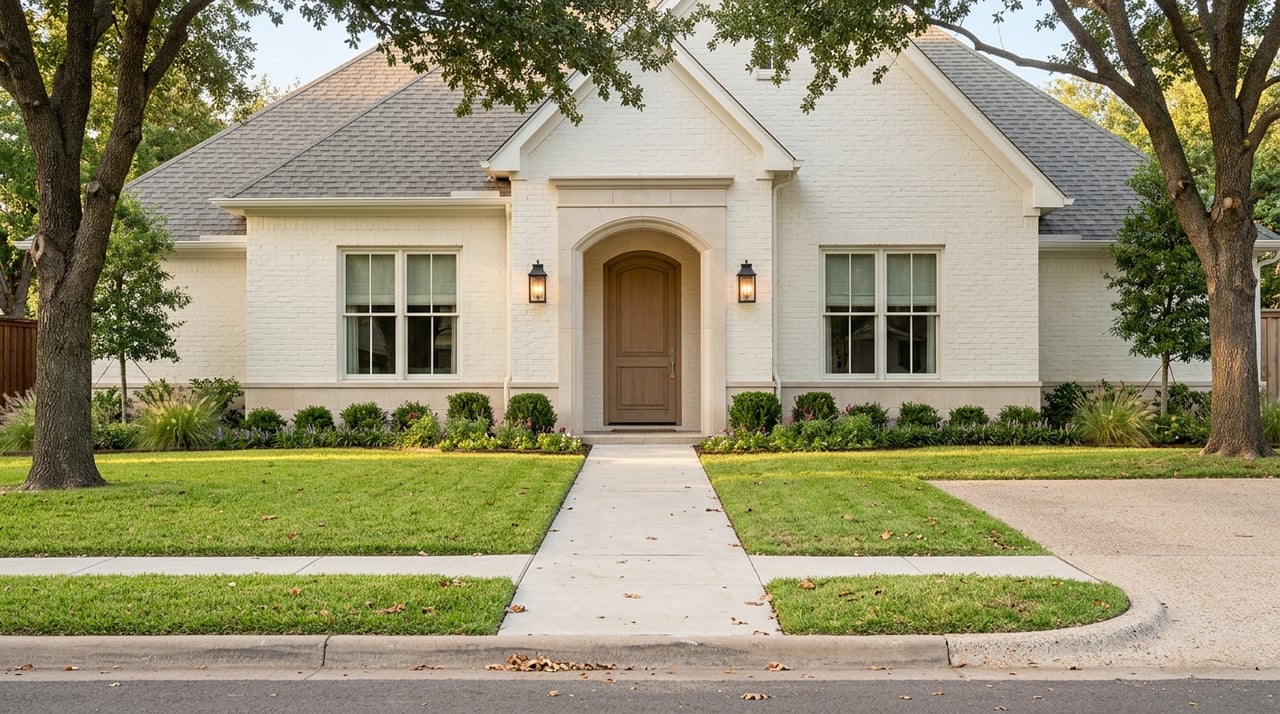
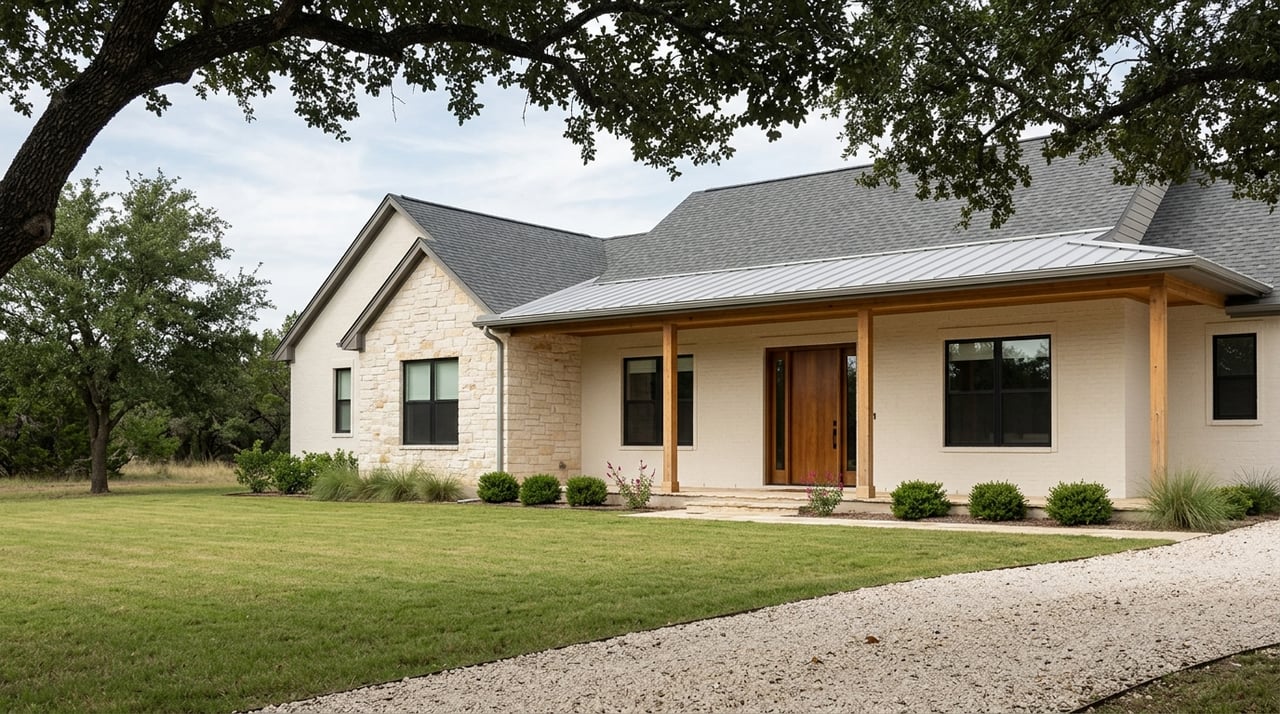
Everyday living in Oak Estates has a more mature and settled feel than many newer communities in the Dallas area. The homes most commonly associated with this area were built mainly between 1962 and 1965, and public listing descriptions point to a mix of mid-century and traditional single-family homes.
That older housing stock often brings something many buyers still want: character. In this area, that can mean one-story layouts, established landscaping, and streets with a quieter, more residential feel. Several public listings also highlight oversized or heavily treed lots, which adds to the sense of space.
The setting appears especially appealing if you prefer neighborhoods that have grown in naturally over time. Irving’s description of the nearby Hospital District greenspace mentions tree-lined streets and some of the city’s oldest homes, which supports the idea of a leafy, established environment.
One of the biggest lifestyle advantages here may be the lot sizes. Recent public listings show lot sizes ranging from about 0.26 acres to 1.29 acres, which is noticeably larger than what you often see in newer suburban developments.
For you, that can shape everyday life in practical ways. A larger lot may offer more room for outdoor living, gardening, storage, or simply more breathing room between homes. It also tends to reinforce the neighborhood’s less crowded feel.
This is not the kind of community that reads as master-planned or uniform. Instead, it appears to offer a more individual look from property to property, with mature trees and older homes creating a neighborhood identity that feels established rather than newly built.
For day-to-day needs, this area benefits from being close to the core of Irving rather than isolated from it. That means your routine is likely shaped by nearby local shopping, dining, services, and community destinations.
One major anchor is Downtown Irving and the Heritage District. The city describes downtown as being centered around Main Street and Heritage Park, while the local visitors bureau notes antique shops, parks, wide sidewalks, events, and a classic soda shop. That gives you a nearby option for casual outings and local errands with more character than a typical retail strip.
If you need larger-scale retail, Irving Mall is another key convenience point. Located at Airport Freeway and Belt Line Road, it includes more than 120 retailers and serves a broad section of the surrounding area.
In practical terms, everyday living here likely means a blend of local Irving stops for essentials and occasional trips to larger Dallas-area destinations. That balance can work well if you want convenience without feeling locked into a single self-contained development.
Neighborhood lifestyle is not only about the home itself. It is also about what you can do nearby when the workday ends or the weekend starts.
For entertainment, Toyota Music Factory is one of Irving’s biggest nearby draws. According to the official city tourism site, it serves as Irving’s entertainment destination, with restaurants, bars, concerts, movies, and an event-focused atmosphere.
That gives you a strong option for nights out without needing to plan around a much longer drive. If you enjoy having a mix of casual dining and event-based entertainment in the broader area, that is a meaningful convenience.
If green space matters to you, Irving offers more than some buyers may expect. The city reports 43 parks, more than 2,000 acres of park land, and more than 33 miles of scenic trails.
For this specific area, the Hospital District Greenspace helps define the neighborhood story. The city describes it as a quiet greenspace with a winding trail, surrounded by tree-lined streets and older homes.
That matters because it adds another layer to everyday living. You are not only getting a residential setting with mature trees, but also access to nearby outdoor space that supports walking, fresh air, and a calmer day-to-day rhythm.
Transportation is a major part of how any neighborhood functions, and in this area, car access appears to be a defining feature. Recent public listing directions connect the neighborhood to Airport Freeway, also known as SH 183, through MacArthur Boulevard and local streets.
That suggests useful access to one of Irving’s main east-west travel corridors. For many buyers, especially relocating professionals, that kind of road connectivity can make a neighborhood feel much more workable for everyday life.
Rail access is another point in the area’s favor. DART identifies Hidden Ridge Station in Irving on the Orange Line, and the agency notes that rail service connects riders to work, shopping, and entertainment destinations across several DFW cities. DART also states that the TRE links Irving riders to downtown Fort Worth and that the system reaches Irving and DFW Airport.
If your routine includes travel across the Metroplex, that mix of freeway and transit access can broaden your options. Exact commute times will vary based on your destination, but the area appears positioned for regional connectivity.
Convenience is not only about retail and restaurants. It is also about access to essential services that support daily life over the long term.
In this area, Baylor Scott & White Medical Center - Irving adds to the practical appeal. The hospital is located on State Highway 183 and serves Irving, Las Colinas, Coppell, Grand Prairie, and nearby communities.
For many buyers, having medical services nearby is part of what makes a neighborhood feel functional and dependable. It may not be the first feature people ask about, but it often becomes an important part of everyday peace of mind.
Based on the housing pattern and nearby amenities, this area may appeal to buyers who want a neighborhood with more personality and more established surroundings. If you value mature trees, larger lots, and a central Irving location with access to parks, dining, and services, this setting may align with your goals.
It may also make sense if you are relocating and want a neighborhood that offers practical access to Dallas-area employment centers. The combination of road connectivity, rail options, and nearby essentials can support a wide range of day-to-day routines.
What this area does not seem to offer is a brand-new, highly uniform master-planned feel. If you prefer newer construction and a more predictable subdivision layout, your priorities may lead you elsewhere. But if you are drawn to established homes and a more grounded neighborhood setting, this could be a strong fit.
As with any neighborhood search, some details should be confirmed at the property level. Public data indicate that Irving is served by three public school districts, so attendance zones should always be verified for the exact address you are considering.
It is also wise to confirm details like HOA status, home updates, lot boundaries, and any location-specific commute expectations before you move forward. In an established neighborhood, homes can vary more from one property to the next, which makes careful review especially important.
If you are exploring Oak Estates near Dallas and want help narrowing down the right fit, working with a knowledgeable advisor can save time and reduce guesswork. For personalized guidance, neighborhood insight, and a thoughtful home search experience, connect with Yolanda Ingram.
Rooted in resilience and driven by purpose, I approach each real estate journey with heart, integrity, and a commitment to building lasting relationships—because every home marks a new beginning worth celebrating.
YOLANDA INGRAM
1335 Lake Woodlands Dr Ste C The Woodlands, TX 77380