Buying Land In Texas: Key Steps And Costs
Dreaming of your own slice of Texas near Woodson? Buying rural acreage can be rewarding, but the details are different from purchasing a suburban home. You want clear access, dependable water, clean title, and a clear picture of total costs before you commit. This guide walks you through the steps, local checks, financing options, and the expenses to expect in Throckmorton County so you can buy with confidence. Let’s dive in.
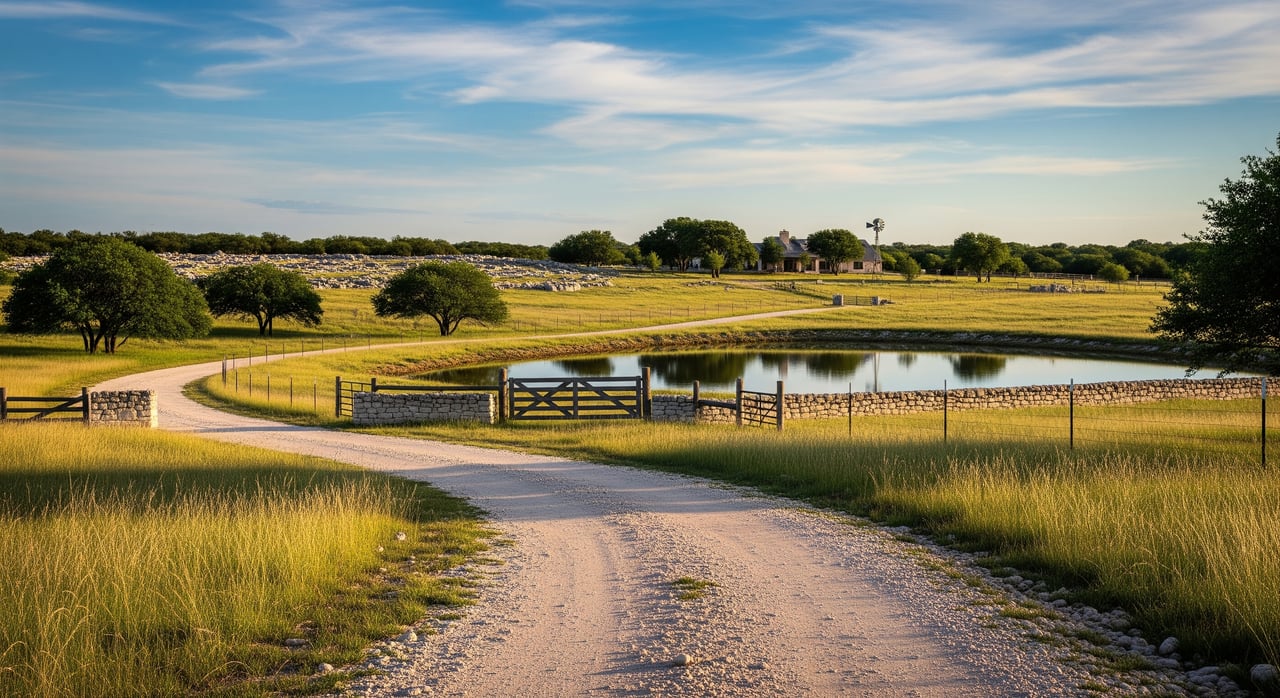
Woodson sits in Throckmorton County, where most properties are rural and often used for agriculture or ranching. Many tracts front county or dirt roads and may have limited public utilities. You will often see surface and mineral rights treated as separate estates, so never assume minerals convey with the land.
Zoning outside municipalities is usually minimal, which gives you flexibility but puts more responsibility on you to confirm restrictions, easements, and road access. Natural features vary across North-Central and West Texas. Pay attention to soils, brush and mesquite, low areas near creeks, and seasonal water availability.
Getting your facts straight before you write an offer saves time and stress. Use this checklist to frame your early research.
Confirm you can legally drive to the property. Look for a recorded, deeded easement or frontage on a public right of way. If access relies on a private road, ask for a written maintenance agreement and verify who maintains it with the county road office.
In Texas it is common for minerals to be severed from the surface estate. Ask for the current deed and a title commitment to see reservations, easements, and liens. Review whether the mineral estate is leased and how oil or gas activity could affect surface use.
Check if electricity is nearby and what it would cost to bring lines to your build site. Assess water options, including the feasibility of a water well and local rules that may apply. Confirm cell and internet coverage since service can vary in rural areas.
Study soils to understand drainage and septic suitability. A site evaluation or percolation test may be needed before installing a septic system. If you plan to build, get early advice from a licensed septic professional and a well driller familiar with the area.
Review floodplain maps to see if any part of the property sits in a designated flood area. Walk the land to understand low spots, drainage paths, and creek crossings. Ask for any recent surveys or topographic information.
Confirm current property taxes and whether the land carries an agricultural appraisal. If you change the use of land with an ag valuation, you could trigger rollback taxes for prior years plus interest. Discuss your intended use and the county’s requirements before you proceed.
Closing speed depends on whether you pay cash or finance. Cash purchases can close in about 15 to 45 days if both sides move quickly. Financed purchases typically take 45 to 90 days due to the appraisal and underwriting timeline.
Many Texas land contracts include an Option Period. You pay a small, non-refundable fee for a set number of days, often 7 to 14, to complete inspections and deeper due diligence. Negotiate enough time to cover surveys, title review, utility quotes, and any lender requirements.
At closing the deed is conveyed and recorded, title insurance is issued, and taxes are prorated. Any seller liens are paid off from proceeds. If you use financing, your lender may require items like insurance and a final survey. After closing you can handle exemptions, utility set-up, and any required well or septic registrations.
Land prices vary widely by size, access, and improvements. Beyond the purchase price, plan for these common expenses when buying acreage in Throckmorton County.
Financing raw land works differently than getting a typical home mortgage. Expect larger down payments and tighter underwriting for vacant acreage.
Rural Texas has fewer land-use controls, but several rules still apply. Confirm these early to avoid surprises.
If minerals have been severed, mineral owners can have significant rights to explore and produce oil or gas under state law. A strong title review helps you understand surface rights, any existing leases, and how operations might affect your plans.
Verify recorded legal access and any roadway maintenance obligations. If access is via a private road, confirm standards for emergency vehicle access and who maintains the road.
Check whether a local Groundwater Conservation District regulates wells in your area. Where a district exists, you may need permits or registrations. Ask for available well logs and keep an eye on seasonal water availability.
On-site sewage systems are permitted through local authorities or the state. A site evaluation and soil review may be required. Wetlands or floodplain designations can limit building sites or require special approvals.
If the land currently has an agricultural appraisal, a change in use can trigger rollback taxes for prior years plus interest. Clarify your intended use and any requirements to maintain the valuation.
When you are ready to verify details, start with the local offices and professionals who manage records and permits in Throckmorton County:
Buying land near Woodson works best when you combine local records, on-the-ground inspections, and a clear due diligence plan. Give yourself enough time in the option period, line up the right specialists, and keep your lender’s timeline front and center if you plan to finance.
If you want a steady partner through the process, from pre-offer checks to a smooth close, connect with a trusted advisor who understands land, financing, and rural due diligence. Reach out to Yolanda Ingram for a personal game plan tailored to your goals in Texas.



Rooted in resilience and driven by purpose, I approach each real estate journey with heart, integrity, and a commitment to building lasting relationships—because every home marks a new beginning worth celebrating.
YOLANDA INGRAM
1335 Lake Woodlands Dr Ste C The Woodlands, TX 77380